
If your Chapel Hill or Durham home feels stuffy, dusty, or musty, the problem may involve more than an unpleasant smell. Indoor air quality can suffer from pollen, moisture, cooking particles, cleaning products, and poor airflow, especially during North Carolina’s humid seasons. These conditions can reduce comfort and contribute to building problems when moisture is not controlled. Finding the source is the first step toward cleaner, more comfortable air.
Air filters can capture many airborne particles, while air scrubbers may add filtration when they are properly sized for your system. UV lights and ionizers work in different ways, and neither replaces source control, ventilation, or regular system care. A dehumidifier can help manage excess moisture and musty odors, making your home more comfortable when humidity is the main concern.
Key Takeaways
- Identify and control the pollution source before buying air-cleaning equipment. Fix leaks, dry damp materials, reduce chemical and combustion sources, improve ventilation, and test for radon or carbon monoxide when appropriate.
- Manage humidity to prevent musty odors and moisture-related damage. A properly maintained dehumidifier can improve comfort, but it cannot replace repairs for leaks, wet materials, crawl-space problems, or mold sources.
- Use HVAC filters, portable air cleaners, or air scrubbers for particle control, choosing equipment that is properly sized and compatible with your system. Replace filters regularly, since an overly restrictive filter can reduce airflow.
- Treat UV lights and ionizers as supplemental tools, not complete air-quality solutions. UV lights do not remove dust or pollen, and some ionizers produce ozone, so verify emissions, installation, and maintenance requirements before use.
Indoor Air Quality Pollutants
Indoor air can contain dust, pollen, smoke, and other particles that enter from outdoors or build up inside your home. Common chemical concerns include volatile organic compounds released by paint, cleaners, furnishings, and other products. Carbon monoxide can come from fuel burning equipment, while radon can enter through soil beneath your home. Mold may grow where moisture remains, and a musty odor can point to damp materials that need attention.
Finding the source helps you choose a practical response for your Chapel Hill or Durham home. Regular cleaning, proper ventilation, and a well maintained HVAC filter can reduce many airborne particles, while a portable air cleaner or air scrubber may provide added filtration in a specific room. UV lights can support cleanliness inside some HVAC systems, but they do not remove dust, pollen, smoke, or chemical vapors. Ionizers may not suit every home or system. A dehumidifier can help manage indoor moisture and improve comfort, especially in a damp crawl space or during humid weather, but it should not replace repairs for leaks or other moisture sources.
During North Carolina pollen seasons, keep windows closed when outdoor counts are high and check that your system has a suitable filter installed correctly. Avoid smoking indoors, run kitchen and bathroom exhaust fans, and place carbon monoxide alarms near sleeping areas. Radon testing can show whether soil gas is entering your home. If you notice a persistent musty odor, visible mold, unusual dust, or irritation after a specific activity, look for the source before buying equipment. Testing and inspection can help you match the response to the pollutant, since a filter, UV light, dehumidifier, or air scrubber cannot address every indoor air concern or predict a specific health outcome.
Source Control And Fresh Air

Indoor pollutants can build up quickly when moisture, chemicals, or combustion byproducts have no clear path out of your home. Start with source control by fixing leaks, drying wet materials, and using a dehumidifier when indoor humidity stays high. Damp areas can produce musty odors and support mold growth. Store paint, cleaners, fuel, and other chemicals in sealed containers away from living areas, and follow label directions. Because radon can enter homes through the soil without a smell or color, test your home and take follow up steps if results are elevated. These actions reduce what your family and HVAC system have to manage.
Fresh outdoor air is the next step when conditions allow. Run kitchen and bathroom exhaust fans during cooking and bathing, and for a short time afterward. Make sure they vent outdoors rather than into an attic. In Chapel Hill and Durham, pollen seasons can make open windows uncomfortable, so check outdoor air conditions and use mechanical ventilation when needed. Maintain your HVAC equipment, replace air filters on schedule, and ask about a filter with a MERV rating that fits your system. A filter that is too restrictive can reduce airflow. Good ventilation and filtration can help your home feel less stale while limiting pollen and other particles.
Air scrubbers and portable air cleaners can add particle filtration in rooms where you notice dust, pollen, or musty odors. UV lights installed in some HVAC systems may help limit microbial growth on damp internal surfaces, but they do not replace moisture control, cleaning, or a good air filter. Ionizers charge particles so they can settle or collect, but some models can produce ozone. Choose equipment tested for low ozone emissions and follow the manufacturer’s instructions. These tools work best alongside source control, fresh air, and proper HVAC maintenance. Together, these steps can support cleaner air and a more comfortable home.
Filters Scrubbers UV Lights And Ionizers
Pollen, dust, and pet particles can collect in your HVAC system and move through your home each time the blower runs. A filter with a higher MERV rating can capture smaller particles, but a rating that is too high for your system may restrict airflow. Your filter must match the slot size, and a portable air cleaner should match the room size and list a suitable clean air delivery rate. Replace disposable filters as often as your home requires, especially during North Carolina pollen seasons, and clean reusable filters as directed. Regular maintenance helps your system run properly and can make your home feel more comfortable.
Air scrubbers can combine particle filters, carbon material, or other cleaning methods in a portable unit or an installation connected to your duct system. They may help with airborne particles and some odors, but musty smells often point to moisture that a cleaner cannot fix. Check for leaks, damp materials, and the need for a dehumidifier. UV lights can help limit biological growth on clean, continuously exposed HVAC surfaces, but they do not remove pollen, dust, or most odors from the air. Their performance depends on lamp strength, placement, exposure time, and regular cleaning and replacement. Ask for a system that fits your equipment and your home instead of assuming one device will address every indoor air concern.
Ionizers charge airborne particles so they can collect on surfaces or in a device, but some models can produce ozone as a byproduct. Before installation, check the manufacturer’s ozone emission information and look for independent testing or certification that addresses ozone levels. Plan to clean collection plates, replace filters, and service UV lamps or other components when required. Homes in the Chapel Hill and Durham area may face high pollen in spring and humid conditions in summer, so source control, moisture management, ventilation, and properly maintained filtration often work better together than any single product. A careful review of your system and rooms can help you choose equipment that supports cleaner air without creating new comfort or maintenance problems.
Humidity Pollen And Musty Odors
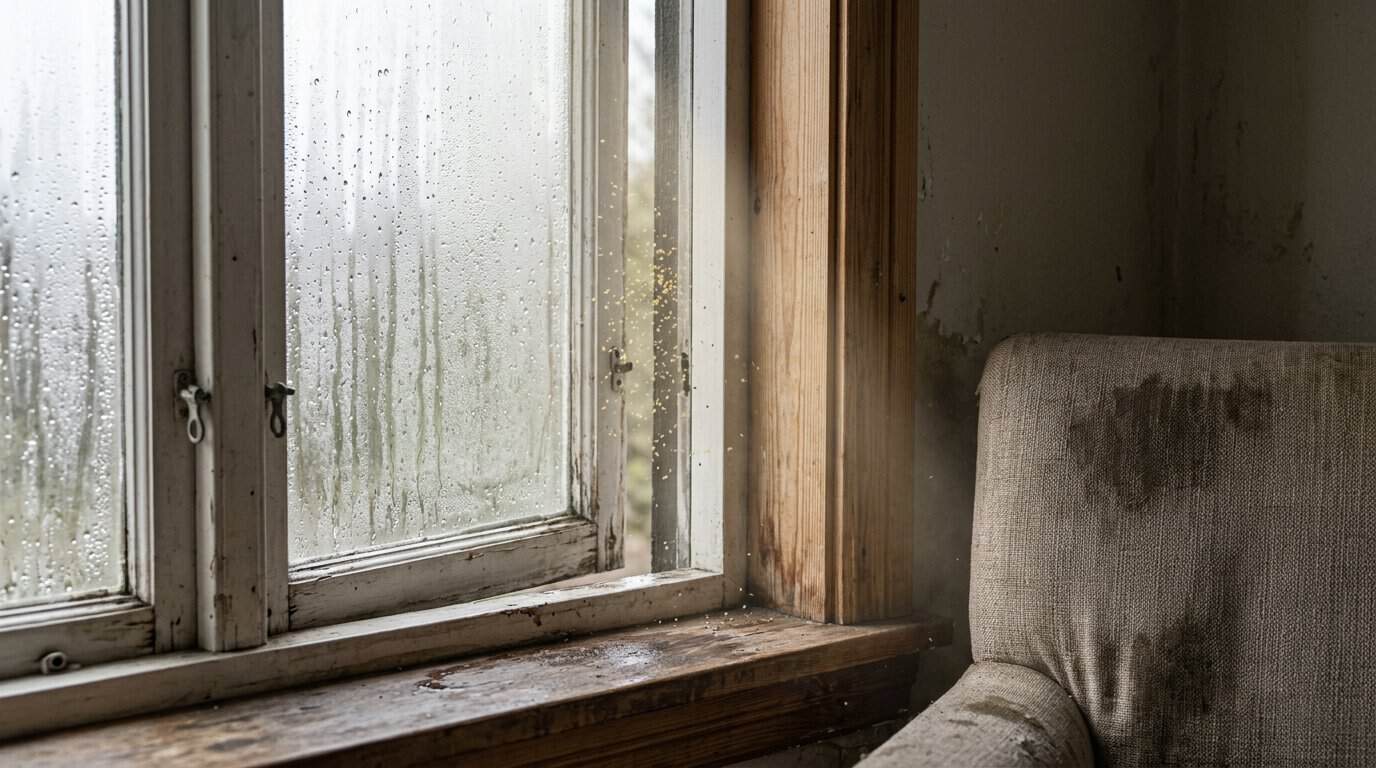
High humidity can make your Chapel Hill or Durham home feel sticky while creating conditions for musty odors. A properly maintained dehumidifier removes moisture from the air and helps your cooling system maintain a more comfortable indoor temperature during humid North Carolina weather. Keep the drain line clear, clean the filter as directed, and have the unit checked if it runs constantly or leaves water behind. A dehumidifier does not remove pollen or other particles, so it should work alongside source control, ventilation, and filtration. These steps can also help protect furnishings and building materials from moisture related damage.
Pollen enters through open doors, windows, clothing, and pets, especially during spring and fall. A properly sized HVAC air filter can capture some airborne pollen, while regular vacuuming with a sealed vacuum, damp dusting, and washing pet bedding can reduce what settles inside your home. Air scrubbers may provide additional particle filtration, but their performance depends on the filter type, airflow, and correct installation. UV lights target certain microorganisms inside the equipment or duct area, but they do not replace an air filter or moisture control. Ionizers charge airborne particles so they collect on surfaces or other equipment. Some models can produce ozone, so ask about the product’s emissions and intended use before installation.
Persistent musty odors often point to moisture that has not been addressed at its source. Check around the dehumidifier, air handler, crawl space, bathrooms, windows, and ductwork for standing water, condensation, staining, or damp materials. If odors return soon after cleaning, humidity stays high, or you see visible growth, schedule a professional inspection to identify hidden leaks or wet materials. An inspection can also confirm whether your filter, air scrubber, UV light, or other equipment is properly sized and operating as intended. Addressing the source first gives you a cleaner smelling and more comfortable home.
Improve Your Home’s Indoor Air Quality
A healthy indoor air strategy starts with source control, such as limiting smoke, dust, cleaning fumes, and other pollutants before they spread through your home. Clean outdoor air can dilute indoor pollutants when weather and outdoor conditions allow, while properly sized air filters help capture dust, pollen, and other particles. Air scrubbers and UV lights may support air cleaning in certain systems, but their value depends on correct selection, installation, and maintenance. Ionizers also require careful review because some models can produce ozone, so ask a qualified HVAC professional about the equipment and your home’s needs.
Moisture management matters just as much, especially during humid Chapel Hill and Durham summers. A dehumidifier can help control excess humidity, while regular system care keeps filters, coils, drain lines, and ventilation equipment working as intended and can help address musty odors. Since every home has different concerns, consider your comfort goals, allergy triggers, odors, moisture levels, and existing HVAC system before choosing equipment. To discuss your options, contact a qualified local professional and take the next step toward a cleaner, more comfortable home.