
Your home should be the one place where you always feel safe. Since carbon monoxide is invisible and has no smell, proper detector placement is your family’s first line of defense. Our team at Bud Matthews Services has helped Chapel Hill neighbors stay safe since 1981. We know that putting these devices in the right spots gives you the peace of mind you deserve.
You need to know that your alarms will wake you up if something goes wrong at night. This means installing them near every sleeping area and on every level of your home. We see many homeowners forget the basement or the area near the garage. Taking a few minutes to check your layout can make a big difference for your protection.
Key Takeaways
- Install carbon monoxide detectors on every level of your home and directly outside every sleeping area to ensure the alarm is loud enough to wake residents from a deep sleep.
- Mount detectors approximately five feet off the floor or on the ceiling, as carbon monoxide is slightly lighter than air and tends to rise and spread evenly.
- Maintain a distance of at least 15 feet between detectors and fuel-burning appliances, such as furnaces or water heaters, to prevent false alarms caused by normal startup cycles.
- Place additional units near attached garages and in basements to catch fumes at their source before they migrate into primary living spaces.
Essential Locations Outside Every Sleeping Area
Keeping your family safe starts with putting your carbon monoxide detectors in the right spots. The most important place for a detector is right outside every sleeping area in your home. Since carbon monoxide is a silent threat, you need a warning loud enough to wake you from a deep sleep. Most people do not realize how quickly these fumes can spread through a hallway. By placing a unit near the bedrooms, you give everyone plenty of time to get out safely. We want you to have total peace of mind while you rest at night.
Sound travels differently throughout a house, so you should test the volume from inside each bedroom. Close the doors and have someone press the test button to make sure the alarm is clear and easy to hear. If your home has a long hallway with bedrooms at both ends, you might need two separate detectors. This extra step helps protect your kids and guests who might be sleeping behind closed doors. Our team has helped neighbors in Chapel Hill and Durham stay safe for over forty years. We know that a well placed alarm is the best way to catch a problem before it becomes a crisis.
Carbon monoxide can come from many places like your furnace, water heater, or even a car in the garage. These fumes are hard to detect because they have no smell or color. Having a working detector near your sleeping area acts as a constant guard for your loved ones. You should check the batteries twice a year to make sure the units are always ready. If you ever hear the alarm go off, move everyone outside to fresh air right away. Then you can call a professional to check your fuel burning equipment for leaks.
Mandatory Multi Level Protection Strategies
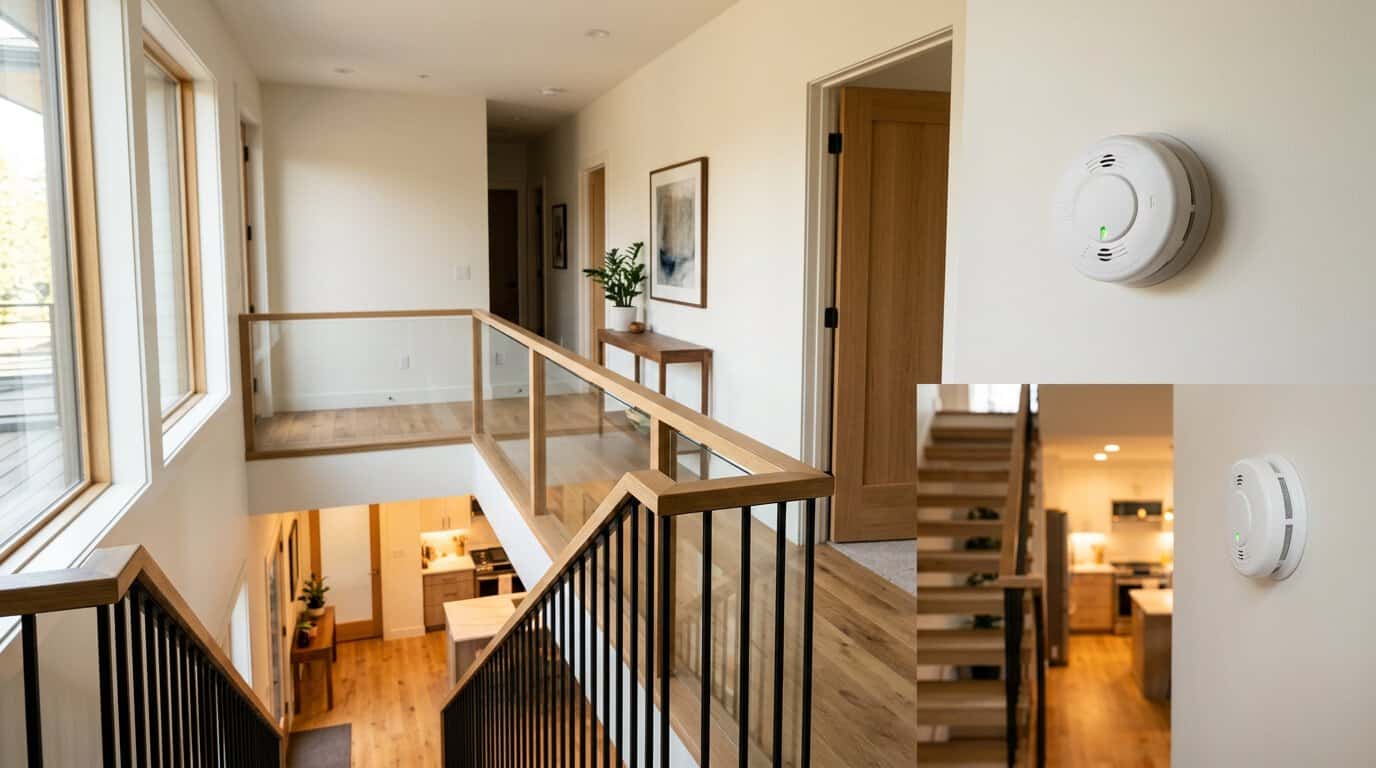
To keep your family safe, you must install a carbon monoxide detector on every level of your home. This includes the basement where your furnace often sits and any finished attic spaces you use. Carbon monoxide is slightly lighter than air and can move through your house in ways you might not expect. By placing a unit on every floor, you create a safety net that catches rising gas before it reaches your living areas. Our team at Bud Matthews Services recommends this multi level approach for every house in Chapel Hill. It is the best way to give your family true peace of mind.
Proper placement means covering every area where your family spends time. You should place a detector in the hallway outside of every sleeping area so the alarm can wake you up at night. If you have a large home, one unit per floor might not be enough to hear from every room. We suggest adding extra units near attached garages to catch fumes from vehicles. Make sure to keep these devices at least fifteen feet away from fuel burning appliances to prevent false alarms. This simple strategy helps protect your home from the basement to the roof.
Our local team has helped neighbors in Durham and Orange Counties stay safe since 1981. We know how different home layouts in our area can affect air flow and gas buildup. If you are unsure about where to mount your devices, we can help you find the right spots during a regular maintenance visit. We want to make sure your sensors are positioned to work exactly when you need them. Protecting your home is our main goal, and we take that job seriously. You can trust us to help you keep your household safe from this silent threat.
Proper Mounting Heights And Installation Clearances
Many people believe that carbon monoxide is heavier than air and sinks to the floor. This is a common myth that can lead to mistakes during installation. Carbon monoxide is actually slightly lighter than air and tends to spread evenly throughout your home. It often hitches a ride with warm air rising from your furnace or water heater. Because of this, placing your detector too low can delay a life saving alert. Our team recommends mounting your units about five feet off the floor or directly on the ceiling for the most accurate results.
Choosing the right height gives your family peace of mind and keeps the sensors clear of furniture or pets. You should avoid placing detectors right next to windows or exterior doors where fresh air might dilute the reading. Keep them at least fifteen feet away from fuel burning appliances to prevent false alarms from small, normal traces of gas. If you place a unit on the ceiling, make sure it sits at least six inches away from any wall. Proper clearance allows the air to move freely around the device so it can do its job. We want you to feel safe and taken care of in every room of your house.
Our neighbors in Chapel Hill and Durham often ask us about the best way to secure these devices for long term safety. Following these height guidelines helps the sensors catch dangerous fumes as they move through your living spaces. It is one of the simplest ways to protect your home from a threat you cannot see or smell. We have helped families across Orange and Chatham Counties stay safe since 1981 by focusing on these small but vital details. If you ever feel unsure about your current setup, we are here to help you get it right. A quick check of your mounting spots can make all the difference for your family.
Safe Distances From Fuel Burning Appliances
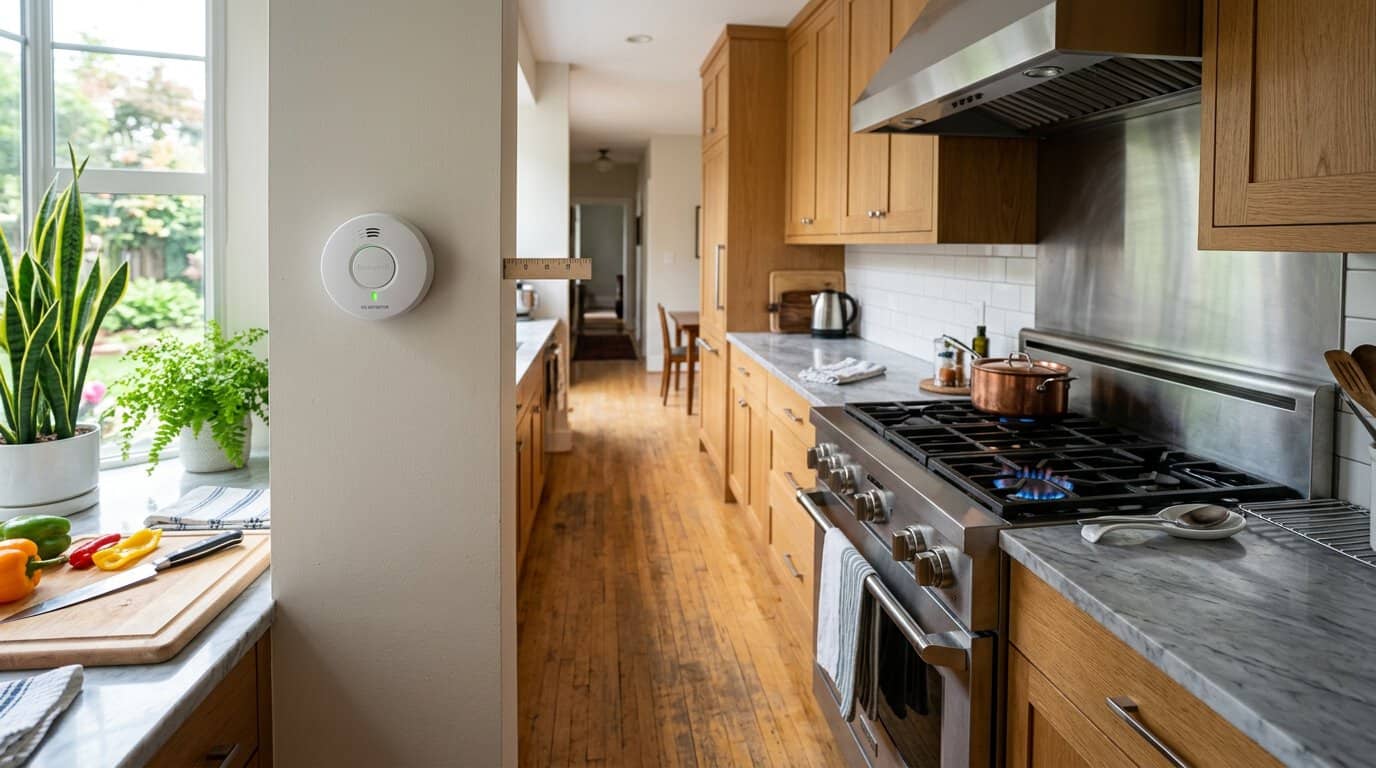
You want to find the perfect spot for your detector to keep your home safe without constant false alarms. It is important to keep these devices at least 15 feet away from your furnace or water heater. Small amounts of carbon monoxide can escape during the normal startup cycle of these appliances. If the sensor is too close, it might go off when there is no real danger. This distance gives you the protection you need while preventing those annoying nuisance alarms. Our team wants you to have total peace of mind every time your heat kicks on during a chilly night.
Placing your sensors at this specific distance allows the air to circulate properly around the device. This setup helps the detector monitor your HVAC system for actual leaks or malfunctions. You will get a clear warning if a real problem starts in your utility closet or basement. We have helped families across Chapel Hill and Durham stay safe for over forty years. We know that a well placed alarm is your best defense against this silent threat. You can rest easy knowing your equipment is being watched by a reliable and steady system.
Where to Place Your Carbon Monoxide Detectors
Keeping your family safe starts with putting your carbon monoxide detectors in the right spots. You should have one on every level of your home and near every sleeping area. This helps you hear the alarm even if you are fast asleep. It is also smart to keep these devices away from bathrooms or kitchens where steam might set them off by mistake. We want you to feel confident that your home is protected from this silent threat. Our team is here to help you check your current setup and make sure everything is working perfectly.
We have been helping our neighbors in Chapel Hill and Durham since 1981. We know that peace of mind comes from knowing your heating and cooling systems are safe to use. Regular checkups can catch small problems before they turn into big safety risks. Our technicians are happy to look at your fuel burning equipment during our next visit. If you want to keep your home running safely all year long, please reach out to us. You can learn more about how to protect your family by scheduling a Furnace Repair & Installation Service with our friendly team.
Frequently Asked Questions
1. Where is the most important place to put a carbon monoxide detector?
You should place a detector outside every sleeping area in your home. This location is vital because the alarm needs to be loud enough to wake you from a deep sleep. We want you to have time to get your family out safely if an issue happens at night.
2. How many detectors do I need if I have a large home?
You need at least one detector on every level of your house, including the basement. If you have a long hallway with bedrooms at both ends, you should install a unit near each sleeping area. This helps the sound reach everyone even if their bedroom doors are closed.
3. Should I put a carbon monoxide detector in my basement?
Yes, the basement is a key area that many homeowners forget. Many appliances like your furnace or water heater are located there. Putting a detector on this level helps catch leaks at the source before they move upstairs.
4. How can I be sure the alarm is loud enough for my family?
You should test the volume by having someone press the test button while you stay inside the bedrooms. Close the doors to see if the sound is clear and easy to hear. This simple check helps you know your kids and guests will wake up during an emergency.
5. Why is the area near the garage important for placement?
Garages often contain cars or tools that can produce carbon monoxide fumes. Placing a detector near the door leading from the garage into your house adds a layer of safety. It helps stop fumes from spreading into your living spaces without you knowing.
6. Why can’t I just rely on my sense of smell to detect a leak?
Carbon monoxide is a silent threat because it has no smell and is completely invisible. You cannot see it or taste it either. A properly placed detector is the only reliable way to protect your family from this danger.