
A tripped outlet can signal a serious electrical hazard, but protective devices do not all respond to the same problem. Understanding GFCI and AFCI outlets helps you tell the difference between shock protection and fire protection. A GFCI watches for current leaking through an unintended path, such as a person, while an AFCI detects dangerous arcing in your wiring or devices.
Your home may need one type of protection or both, depending on the circuit, room, and electrical rules in your area. Some circuits use a dual function breaker that provides GFCI and AFCI protection together. Knowing what each device does can help you test your system, respond to trips, and make safer choices for your family.
Key Takeaways
- GFCI protection reduces electric shock risk by detecting current leaking from its intended path, while AFCI protection reduces fire risk by detecting dangerous electrical arcing. Neither device replaces the other.
- Use GFCI protection in areas exposed to water, including kitchens, bathrooms, garages, laundry rooms, basements, and outdoor spaces. AFCI protection commonly applies to bedrooms, living areas, and other circuits required by local electrical code.
- Some circuits need both safeguards, which may be provided by a dual-function AFCI/GFCI breaker or by combining panel and receptacle protection. The correct setup depends on the circuit, wiring, panel, location, and local code requirements.
- Test GFCI receptacles and AFCI breakers regularly, and never ignore repeated trips or a device that will not reset. Disconnect connected appliances and have a qualified electrician inspect ongoing problems.
GFCI And AFCI Hazard Differences
A ground fault can send electricity through you instead of along its intended path, creating a serious shock hazard. A GFCI, or ground fault circuit interrupter, compares the current flowing out with the current returning. If it detects electricity leaking through a person, water, or another grounded object, it shuts off power quickly. Class A GFCI devices typically trip when the imbalance reaches about 6 milliamps.
An AFCI, or arc fault circuit interrupter, addresses a different danger inside your home. It uses electronic sensors to recognize the irregular electrical patterns created by hazardous arcing. An arc can result from damaged wiring, a loose connection, or a crushed cord. Arcing can create intense heat and ignite nearby materials, even when current is not leaking through a person. AFCI protection focuses mainly on reducing the risk of electrical fires.
Because GFCI and AFCI devices detect different problems, one cannot replace the other. Your home may need GFCI protection in areas where people could contact electricity and water. AFCI protection may be required in living areas to help reduce fire risks from damaged wiring. In some installations, a dual function circuit breaker provides both types of protection in one device.
GFCI And AFCI Installation Locations
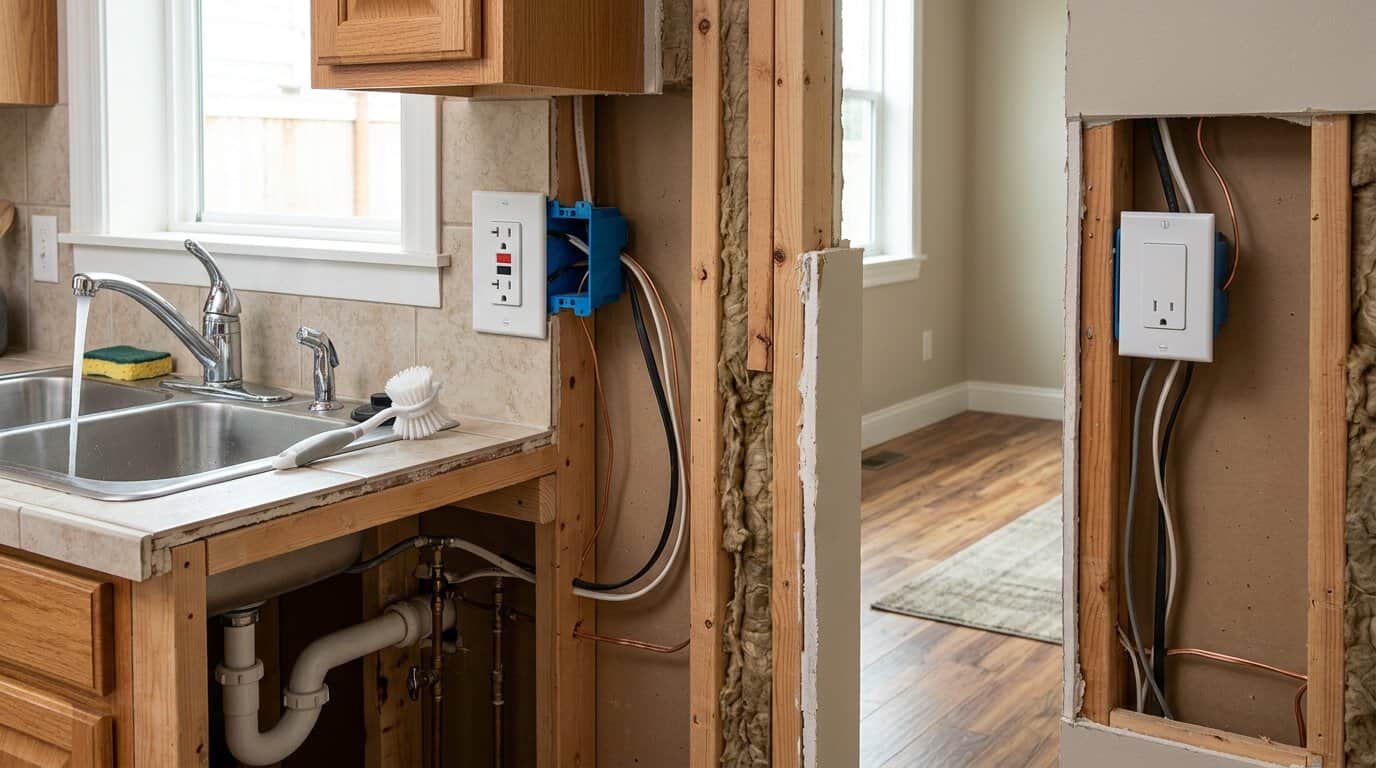
Shock risks increase in damp areas, so GFCI protection commonly applies wherever electricity may contact water. You will usually find GFCI outlets in bathrooms, kitchens, garages, outdoor areas, basements, and laundry spaces. GFCI protection is also required for many outlets near sinks, even when the room is not a bathroom or kitchen. A GFCI monitors the flow of electricity and shuts off power when it detects current leaving the intended path. This quick response helps protect you from serious shock or electrocution.
AFCI protection commonly applies to bedrooms, living areas, and other residential branch circuits covered by current electrical code requirements. An AFCI detects electrical patterns linked to dangerous arcing, which can occur when wiring is damaged, loose, or overheated. Unlike a GFCI, it focuses on reducing the risk of an electrical fire rather than detecting current flowing through a person. Requirements can vary based on your home’s age, remodel plans, and the version of the code adopted in your area. Your electrician can identify which circuits need AFCI protection during an inspection or installation.
Some areas of your home may require both types of protection because they face shock and fire hazards. For example, a kitchen or laundry circuit may need GFCI protection because of water exposure and AFCI protection because of current electrical code requirements. A dual function AFCI and GFCI breaker can provide both types of protection from your electrical panel. The correct setup depends on the circuit, outlet location, and local code requirements. Never assume that one device replaces the other. Have a qualified electrician check your system when you are unsure.
Testing GFCI And AFCI Devices
A GFCI receptacle can trip when electricity takes an unintended path, such as through a person or a grounded appliance. To test it, plug in a small lamp or approved tester, then press the TEST button. Power to the receptacle should shut off, and the RESET button may pop out. Press RESET to restore power, then confirm that the lamp or tester works again. If the receptacle does not trip or will not reset, stop using it and have an electrician check the device and wiring.
AFCI protection is usually tested at your electrical panel, either at an AFCI circuit breaker or a dual function breaker that also provides GFCI protection. With the circuit energized, press the breaker’s TEST button and confirm that it trips and turns the circuit off. Reset it by moving the breaker fully to the OFF position, then back to ON, following the instructions on the panel or breaker. A device that trips repeatedly may be responding to a damaged cord, faulty appliance, wiring problem, ground fault, or dangerous arc. Disconnect appliances on that circuit and have an electrician investigate ongoing trips, especially if the breaker will not reset. Repeated protection trips should not be ignored.
Dual Function AFCI And GFCI Protection
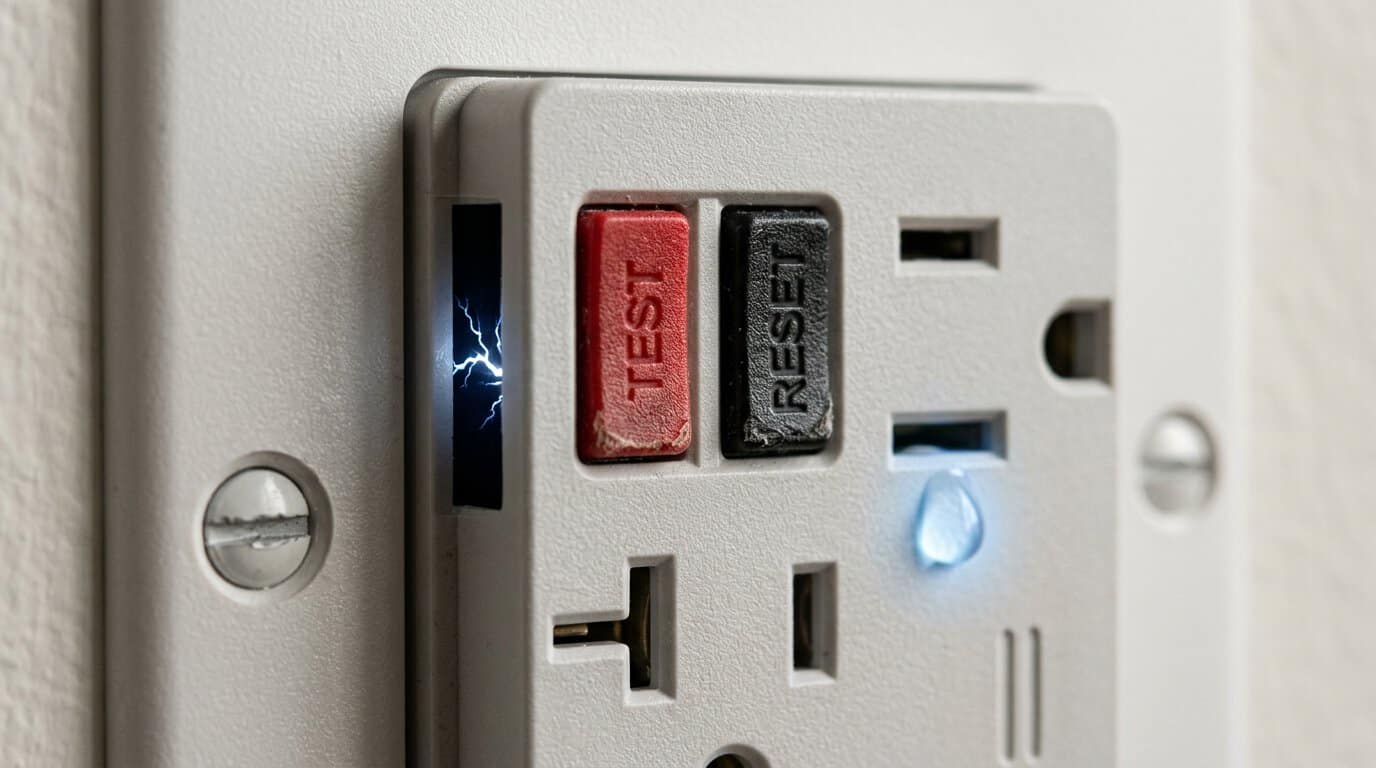
A circuit can expose your family to both electric shock and fire risks, so one type of protection may not be enough. A GFCI detects current leaking from its intended path, such as when electricity passes through a person to ground, and quickly shuts off power. An AFCI looks for electrical patterns linked to dangerous arcing, which can occur when wiring is damaged, loose, or overheated. These devices address different hazards, so a GFCI does not replace an AFCI, and an AFCI does not replace a GFCI.
Some circuits need both types of protection, especially in areas where people may contact water and where electrical codes call for arc fault protection. A dual function AFCI and GFCI circuit breaker can provide both safeguards from the electrical panel. This option can protect the full circuit, rather than only one receptacle, when installed and wired correctly. You may also see GFCI receptacles used with AFCI protection provided at the panel.
The right choice depends on your home’s wiring, electrical panel, circuit layout, and local code requirements. Older panels may not support a dual function breaker without additional work. Shared or unusual wiring can also affect which device is appropriate. Have a qualified electrician check the circuit before replacing an outlet or breaker, especially if the device trips often. Testing after installation helps confirm that your shock and fire protection work as intended.
Choose the Right Electrical Protection
GFCI and AFCI devices protect your home from different electrical hazards, so one cannot replace the other. A GFCI helps protect you from electric shock by detecting current that leaves its intended path, such as through a person or grounded surface. An AFCI helps protect your home from fires by detecting dangerous electrical arcing in wiring and connected equipment. Depending on the circuit and location, your home may need one type of protection or both, sometimes through a dual function circuit breaker.
Use GFCI protection in areas where electricity may come into contact with water, such as kitchens, bathrooms, garages, and outdoor spaces. AFCI protection commonly applies to living areas where damaged cords, loose connections, or aging wiring could create an arc. If a device trips repeatedly, do not bypass it. Contact a qualified electrician for installation, replacement, or troubleshooting. For help with frequent trips and other electrical concerns, read Why Does My Circuit Breaker Keep Tripping? Common Causes and Safe Next Steps to learn how your system can be checked safely.