
Level 2 EV charger installation typically requires a 240 volt circuit, enough electrical capacity, and a location that fits your parking routine. The U.S. Department of Energy says Level 2 equipment uses 240 volt residential service and can deliver output from 2.9 to 19.2 kilowatts, depending on the equipment.
Before choosing a charger, have your electrical system evaluated. A panel with open breaker spaces may still need a closer capacity check, and the circuit route can affect the charger’s location and the work involved. Bud Matthews Services is a family owned home services provider serving Chapel Hill, Durham, and Chatham County since 1981. Our electrical team can assess your home and help plan installation around your panel, vehicle, and parking setup.
Key Takeaways
Before you buy a Level 2 EV charger, have a qualified electrician assess your panel capacity, wiring condition, household electrical loads, and planned circuit because open breaker spaces alone do not confirm that your home can support charging.
A typical Level 2 installation needs a properly designed 240 volt circuit, often a dedicated circuit, and equipment that matches your vehicle, charger instructions, and home electrical system.
Choose a garage or exterior charger location based on your parking routine, cord reach, equipment rating, and wiring route from the panel, since longer or harder to access routes can add work and cost.
The U.S. Department of Energy lists residential Level 2 charger equipment costs of $380 to $690 and an installation estimate of about $1,300 per connector, excluding labor and permitting, so request an electrical evaluation for a project specific quote and confirm local permit and inspection requirements.
What Does Level 2 Installation Involve?
A Level 2 installation connects a compatible charger to a properly designed 240 volt circuit, then includes mounting, connecting, and testing the equipment. Level 1 charging uses an existing 120 volt outlet, while Level 2 uses 240 volt residential service.
Before choosing equipment, an electrician considers your vehicle’s charging connection and the charger’s electrical requirements. Your charger, vehicle, circuit, and home’s electrical capacity all shape the installation plan. An electrician reviews your existing electrical service and wiring route to determine what the setup requires.
The installation may involve running wiring from the electrical panel, adding a circuit breaker, and connecting the charger according to its instructions. The electrician also checks that the equipment and circuit are compatible. A plug in charger and a hardwired charger can require different connections, so your equipment choice affects the installation approach.
Bud Matthews Services provides electrical work for local homes. An electrical evaluation before you buy a charger or schedule installation can help you choose equipment that fits your vehicle and your home’s electrical system.
Can Your Panel Support a Charger?
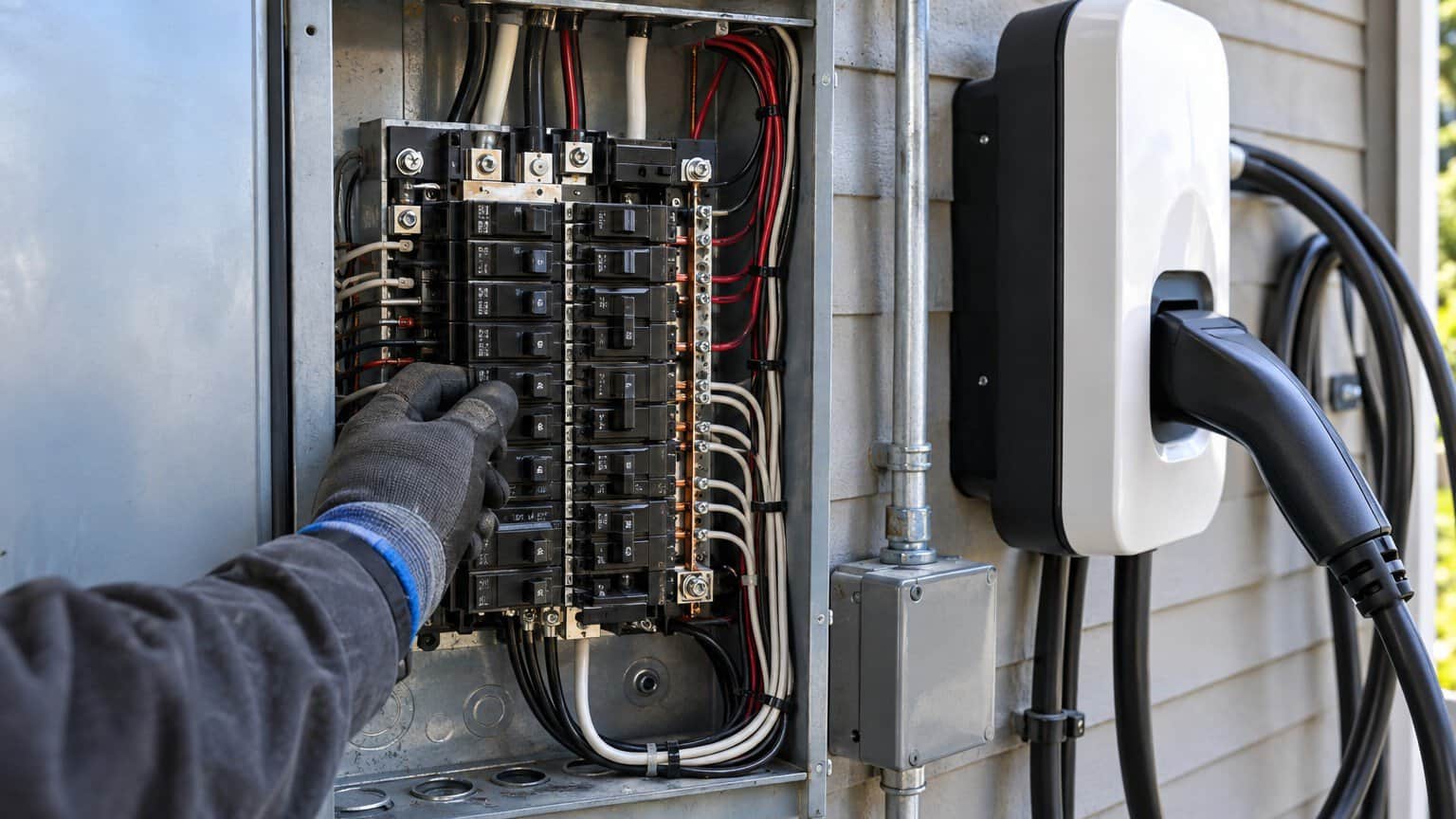
Your panel can support a Level 2 charger only when its available capacity, condition, and wiring can handle the charger alongside your home’s other electrical demands. Open breaker spaces show there is room to add a breaker, but they do not show whether the service can carry the added load.
Have a qualified electrician assess your panel and home’s electrical loads before installation. The evaluation considers service capacity and existing equipment, such as heating and cooling systems, cooking appliances, and an electric water heater, to see how their demands overlap.
EV charging counts as a continuous load under the National Electrical Code, meaning it can draw power over an extended charging period. Article 625 covers most applicable EV charging equipment provisions.
The electrician should also check the panel and wiring condition, available capacity, and whether the planned circuit route works. If your existing system cannot support the charger as planned, an electrical upgrade or another charging approach may be needed. Finding that out early helps identify changes to the work and cost before the project proceeds.
A dedicated circuit is a key part of a typical Level 2 installation because it serves the charger without sharing its circuit with other household devices. Circuit requirements depend on the specific charger, its installation instructions, and your home’s electrical system, so an electrician determines what your project needs. Bud Matthews Services provides electrical work for Triangle homes, including panel evaluations as part of charger installation planning.
Where Should the Charger Go?
A garage or exterior location can work for a Level 2 charger if it fits your parking routine, cord reach, route from the electrical panel, and the equipment’s intended setting. Plan the location around both your parking spot and the panel, not just the easiest place to reach from your vehicle.
A garage installation keeps the charger sheltered and can make plugging in convenient when your car parks inside. Check that the cord reaches your vehicle’s charging port without stretching across a walkway or interfering with garage access. Also consider whether your usual parking position leaves room to connect.
An exterior charger can suit a driveway or carport when your vehicle parks outside. Choose equipment rated for its intended outdoor location and follow the manufacturer’s installation instructions. Sun, rain, moisture, and storm exposure make the charger’s approved location and mounting details important.
The distance and route from the panel to the charger can shape the electrical work. A longer wiring route or site work, such as opening finished surfaces, can affect project cost, so compare possible locations before settling on one. A spot that fits your parking habits may require a more involved route from the panel.
How Fast Does Level 2 Charging Work?
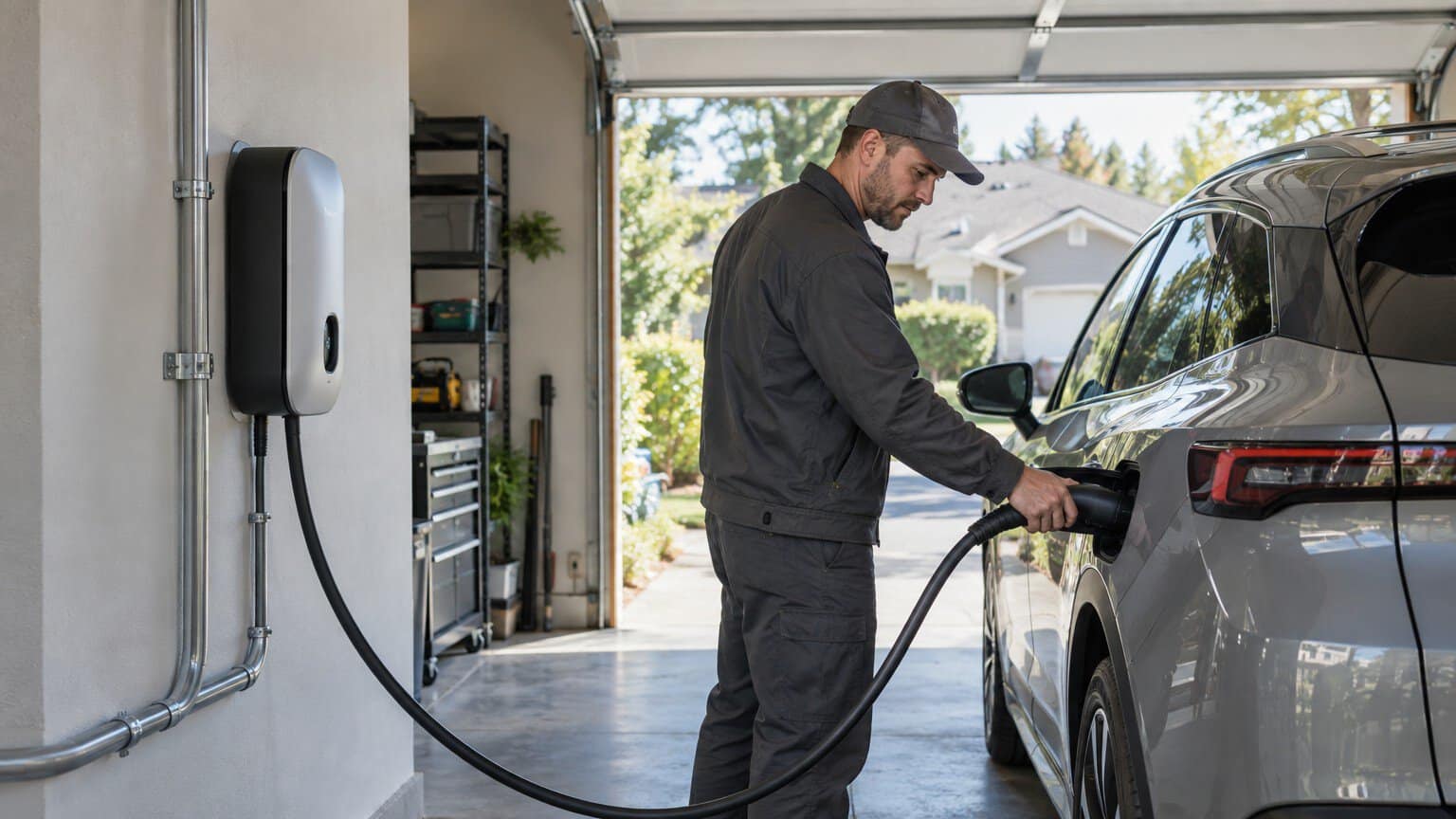
Level 2 charging is generally faster than Level 1, but your charging rate depends on the charger’s output, your vehicle’s charging capability, and the circuit supplying the charger. The U.S. Department of Energy lists Level 2 residential service as 240 volt, with equipment outputs from 2.9 to 19.2 kilowatts.
A charger’s rating does not guarantee that your vehicle will charge at that rate. Your vehicle’s onboard charging system can limit how much power it accepts, even when the charger can supply more. The circuit also needs to meet the charger’s requirements, so the installation must match the equipment, vehicle, and home electrical system.
Plugging a charger into a 240 volt outlet depends on the specific charger and whether the outlet and circuit are suitable for that use. A 240 volt outlet is not automatically compatible with every charger, and a charger designed for hardwiring cannot simply be plugged in. Check the manufacturer’s instructions and have an electrician confirm that the outlet and circuit suit the equipment.
Connector fit matters, too. The Department of Energy identifies SAE J1772 as the connector standard used by Level 1 and Level 2 equipment, and notes that SAE International is standardizing J3400 based on the North American Charging Standard design. Check your vehicle’s charge port and the charger plug for compatibility using the Department of Energy’s connector information.
What Affects Installation Cost?
Your Level 2 installation cost depends on your home’s electrical system, charger location, equipment, and the work required. That means there is no single installed price for Triangle homes.
The U.S. Department of Energy lists residential Level 2 charger equipment costs of $380 to $690. It also reports an installation estimate of about $1,300 per residential Level 2 connector, excluding labor and permitting costs. These are published estimates, not an installed price or a local quote.
Panel capacity can affect the total if your home needs an upgrade before a charger circuit can be added. The distance from the panel and the wiring route also matter. A longer route or one that is harder to access can require more materials and labor.
Your charger choice affects equipment cost and the electrical work required. The location can also change the project scope, especially if the route to an exterior charger calls for additional work. Labor and local permitting costs add to the final quote, and permit requirements depend on the project and jurisdiction.
For a useful estimate, have an electrician evaluate your home’s panel, planned charger, and wiring route. Bud Matthews Services provides electrical work for Triangle homes, and an evaluation can help identify what your installation requires.
Permits and Electrical Code
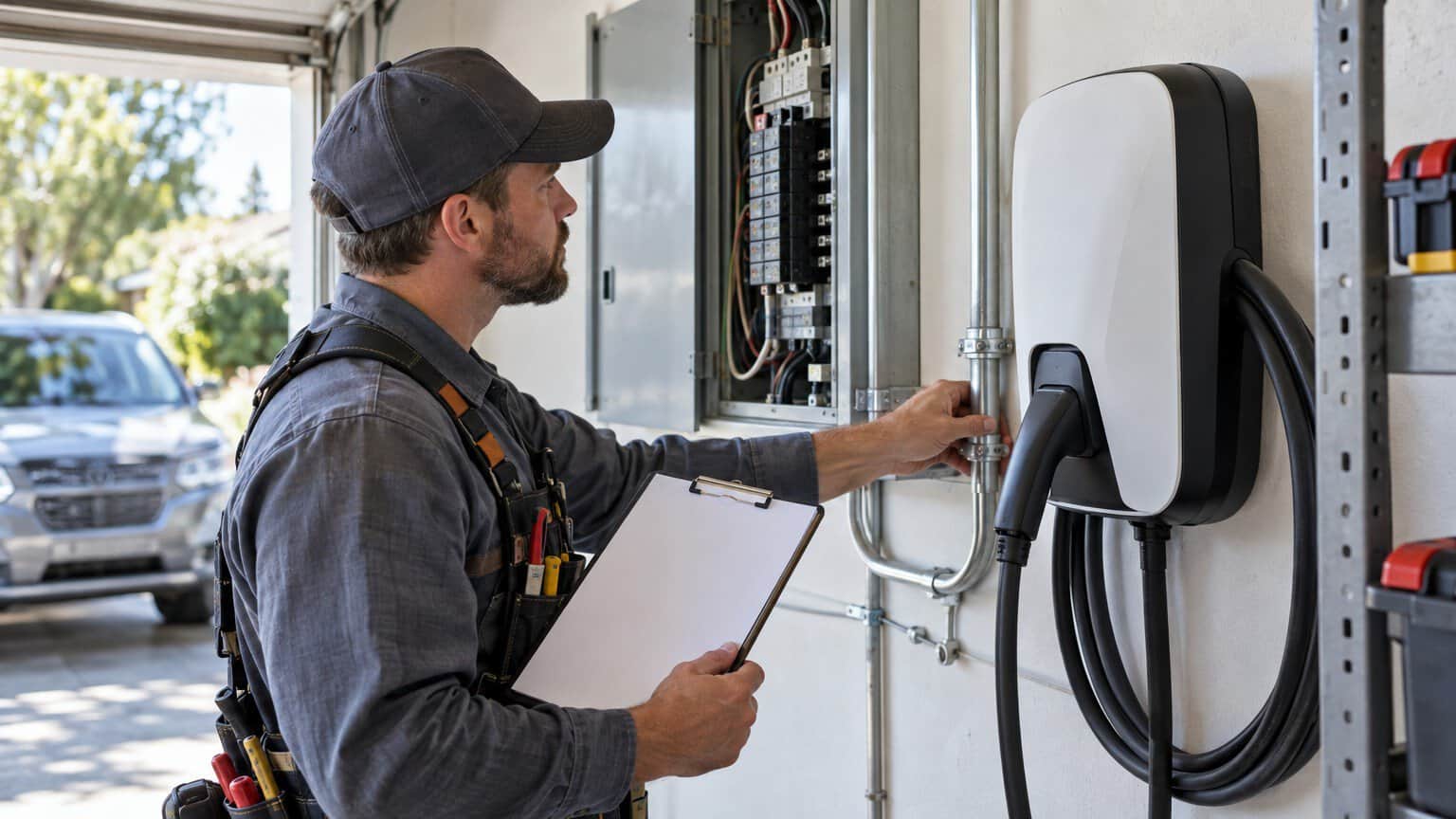
EV charger installation must follow the state and local codes that apply to your property. The National Electrical Code, also called NFPA 70, contains most provisions for EV charging equipment in Article 625 and treats EV charging infrastructure as a continuous load.
Permit and inspection requirements depend on your jurisdiction and the work involved. Adding a new 240 volt circuit, modifying a panel, or choosing a different charger connection can affect which approvals apply, so do not assume one rule covers every home in the Triangle. Before work begins, ask your local building authority which permits and inspections your project requires, and arrange for any required permits.
Bud Matthews Services provides electrical work for homeowners in Chapel Hill, Durham, and Chatham County. A local electrical professional can assess your home, explain the installation plan, and identify required approvals. This helps you plan work that follows applicable codes and fits your electrical system.
Plan Your Home Charger Installation
Before choosing a Level 2 charger, gather the details an electrician needs to assess your installation. Note your vehicle’s make and model, the charger you are considering, where you park, and whether you want a garage or exterior installation.
If you already own a charger, have its manufacturer instructions and electrical requirements ready. Mark the proposed mounting spot and note any doors, walkways, or finished walls between that spot and your electrical panel.
Ask for an electrical evaluation before buying equipment or setting an installation date. The electrician can review your panel, available capacity, wiring route, and the circuit your charger requires, then explain whether your plan needs a panel upgrade or local permit. Your local building authority can confirm permit and inspection requirements for your project.
Bud Matthews Services provides electrical work for homes in Chapel Hill, Durham, and Chatham County, and has served the area since 1981. Share your charger and parking details when you request an appointment so the team can discuss the right next step for your home.
Call Bud Matthews Services at 919.929.0203 or visit BudMatthews.com to request an electrical evaluation for your EV charger installation.
Frequently Asked Questions
Can EVs share a home charging circuit?
Shared home charging equipment may serve vehicles only when the equipment supports power sharing and an electrician confirms the circuit and controls are designed for that setup. Without compatible equipment, the circuit may exceed its capacity. Ask an electrician to assess the equipment and your home’s electrical system.
2. Will a home EV charger work during a power outage?
A home EV charger will not charge your vehicle during a power outage because it needs electricity from your home’s supply. A backup battery or generator may support charging only if it is properly sized and configured for the charger. Ask an electrician to review your backup power setup before relying on it.
3. Can I install a Level 2 charger before taking delivery of my electric vehicle?
Yes, you can install a Level 2 charger before your vehicle arrives if you choose equipment that matches the vehicle you plan to buy. Confirm the charger’s connector and electrical requirements against your vehicle’s specifications using the U.S. Department of Energy’s connector information. An electrician can also assess your panel and planned charger location before installation.