
Your new EV may be ready for faster home charging, but your electrical panel may not be. EV charger installation for a Level 2 charger typically requires a dedicated 240 volt circuit, and your home may need more capacity before the work begins. The charger’s location also matters, whether you plan to install it in your garage or on an exterior wall, because distance, weather protection, and wiring access affect the project.
A Level 2 charger can add about 10 to 30 miles of range per hour, but charging speed depends on your vehicle, charger, and electrical system. Permits and code requirements vary across the Triangle, so your home should be evaluated before installation begins. A qualified electrical team can help you plan a safe installation that fits your home and daily driving needs.
Key Takeaways
- A Level 2 EV charger typically requires a dedicated 240-volt circuit, and your electrical panel, service capacity, wiring, and breaker space must be evaluated before installation.
- Charging speed—typically about 10 to 30 miles of range per hour—depends on the vehicle, charger rating, circuit capacity, battery condition, and temperature, so the highest-rated charger may not always charge faster.
- Choose a garage or exterior location based on parking habits, cable reach, weather protection, wiring access, clearances, and trip hazards. Outdoor equipment must be specifically rated and installed for exterior use.
- Permits, inspections, grounding, overcurrent protection, conduit, and other code requirements may vary across Triangle communities. Have a qualified electrician plan and install the system to prevent overloads, failed inspections, and costly changes.
Introduction To EV Charger Installation
Slow overnight charging can make daily EV use inconvenient, especially when your driving schedule changes or you need a fuller battery by morning. A Level 2 home charger uses a 208 to 240 volt circuit and can typically add about 10 to 30 miles of range per hour, depending on your vehicle and charger. Before installation, you should confirm that your Triangle home can support the added electrical demand. Your existing panel, wiring, and available breaker space all affect the project.
Your charger will need a dedicated circuit sized for its power requirements rather than sharing a circuit with other appliances. An electrician should review the panel capacity and perform a load calculation to see how the charger will work with your heating system, water heater, and other major equipment. Location matters as well, since a garage installation may offer easier access and more protection from weather, while an exterior charger may better fit your parking area. The cable should reach your vehicle without creating a trip hazard, and the equipment should be rated for its installation location.
Your electrical team can inspect your home system and help you choose a practical location and charging speed before work begins. They can also explain permit requirements, local electrical rules, grounding, overcurrent protection, and other safety details that apply to your project. Depending on your home and charger, the installation may call for panel changes, conduit, or wiring routed through finished areas. Planning these details in advance helps your Level 2 charger operate safely and meet applicable code requirements.
Level 2 Charger Power And Speed
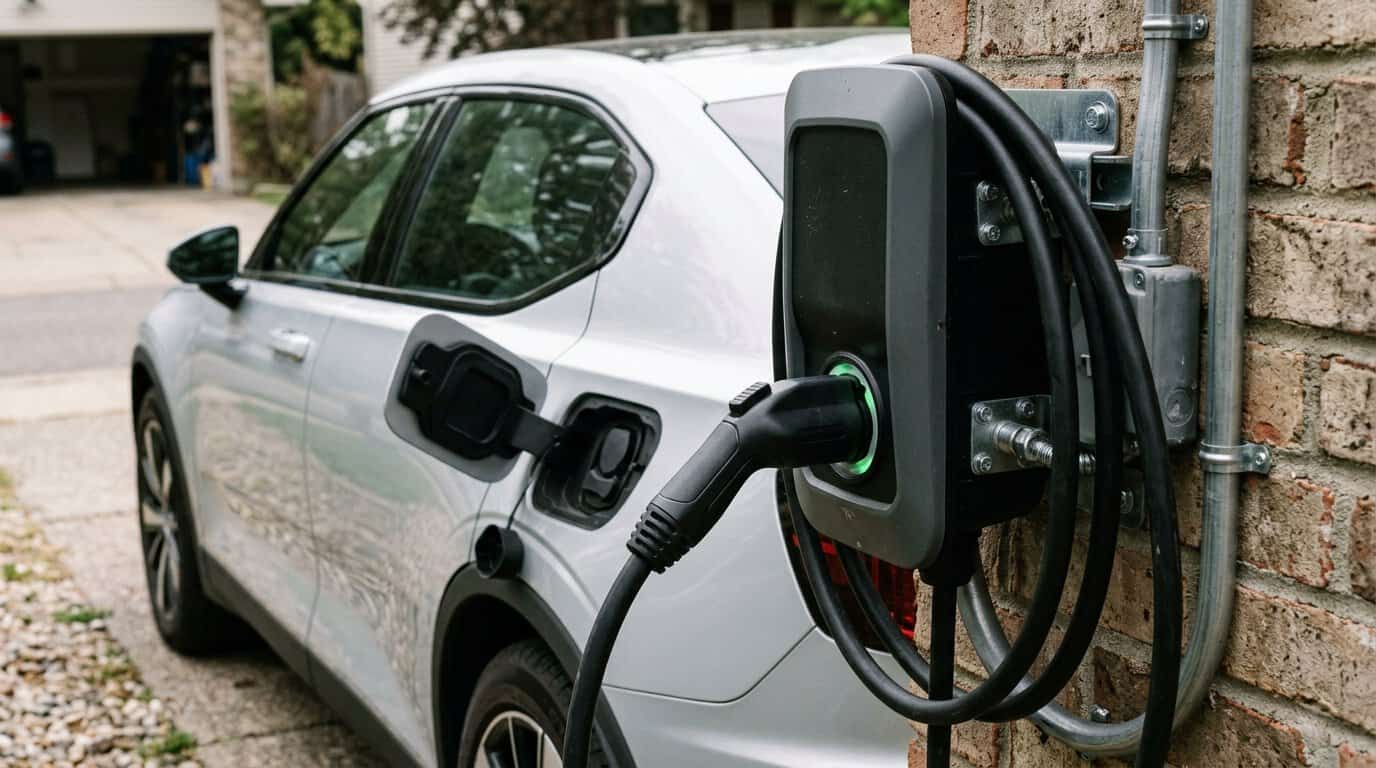
A Level 2 charger can add about 10 to 30 miles of driving range per hour, but your actual speed may vary. It uses a 240 volt circuit, similar to the circuit used by an electric range or clothes dryer, rather than a standard 120 volt outlet. A charger with a higher power rating can deliver energy faster, but your vehicle’s onboard charger limits how much power the battery can accept. Battery temperature, charge level, and overall battery condition can also affect charging speed.
Your home’s electrical system must have enough capacity for the charger along with your other major appliances. Most installations require a dedicated circuit, which means the charger has its own circuit breaker and does not share power with other outlets or equipment. The charger may go inside your garage for added protection or outside on an approved wall near your parking area if the equipment is rated for outdoor use. Before installation, an electrical professional can evaluate your panel, wiring, available capacity, and the best charger location for your Triangle home.
Permits and inspections may be required, and the installation must follow local electrical codes and manufacturer instructions. Older panels, crowded breaker spaces, long wire runs, or limited utility service can affect the project and may call for electrical upgrades. A proper evaluation helps you choose a charger your vehicle can use and your home can safely support. It also helps prevent nuisance breaker trips, slow charging, and costly changes after the work begins.
Electrical Panel Capacity And Circuits
A Level 2 charger can place a large, steady demand on your home’s electrical system, so an electrician should inspect it before installation. The evaluation includes your panel’s total capacity, open breaker spaces, service size, and the condition of existing wiring. Your electrician also performs a load calculation to see how the charger will work alongside heating, air conditioning, water heating, and other major appliances. A full panel does not always mean you need a replacement, but it may limit your installation options. This review helps identify safe choices that comply with code for your Triangle home.
Your selected charger needs a dedicated circuit sized for its electrical requirements, not a shared circuit used by other outlets or appliances. A typical Level 2 charger uses a 240 volt circuit, and its circuit size affects the charging speed your vehicle can receive. Your electrician can confirm whether your current service supports that speed or whether a lower charging rate makes more sense. Location also matters, since a garage installation may need different wiring protection than an exterior installation exposed to weather. Your electrical team can assess the route from your panel to the charger and explain the work your home needs.
Permits and inspections may be required in Chapel Hill and other Triangle communities, especially when the project adds a new circuit or changes service equipment. Installation must follow current electrical code, manufacturer instructions, and local requirements for disconnects, grounding, conduit, and outdoor equipment. Your electrician should also check clearance, mounting, and cable placement so the charger remains practical and safe to use. Planning these details before work begins can help prevent delays, unexpected repairs, or charging limits. A professional evaluation gives you a clear starting point for your EV charger installation.
Garage And Exterior Charger Locations
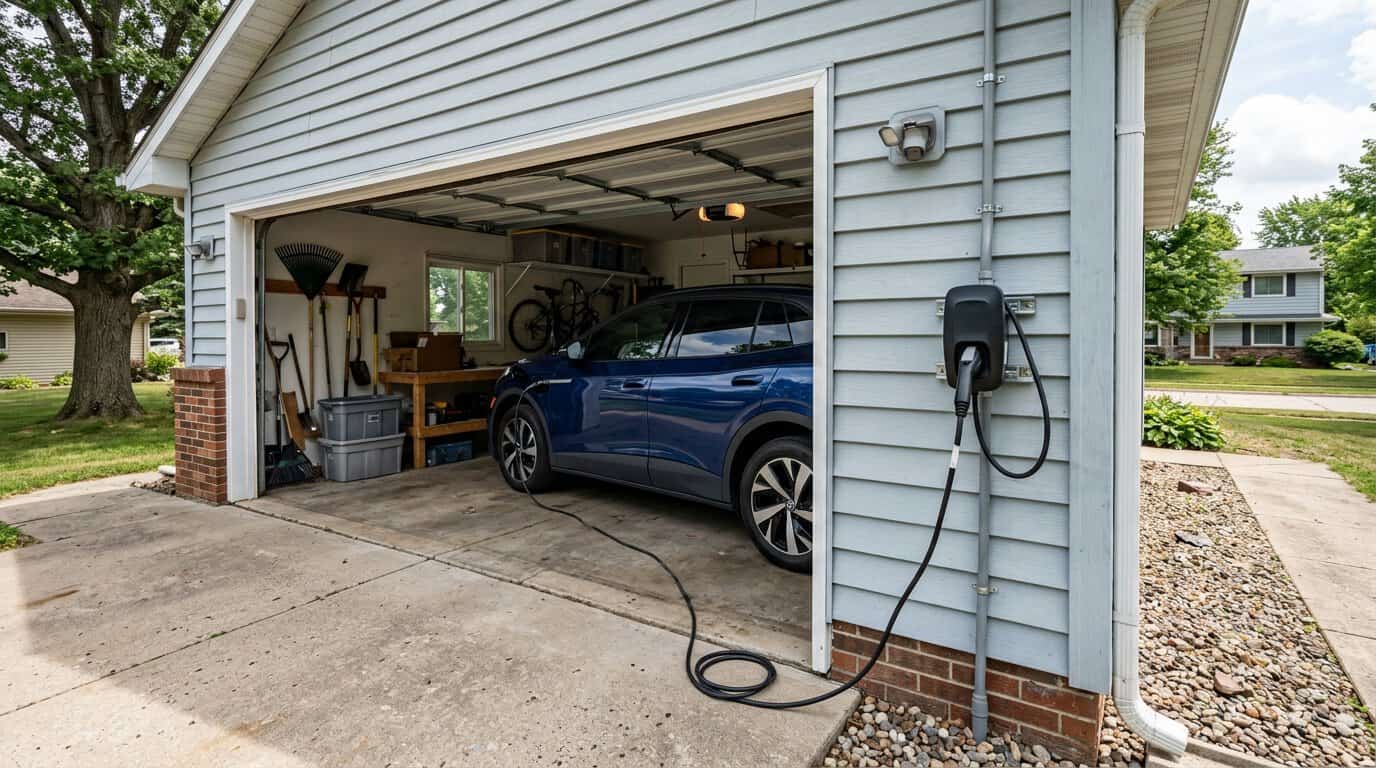
A charger location that looks convenient may leave your cable stretched across a walkway or driveway. Inside a garage, your vehicle gets protection from rain, sun, and freezing temperatures, while the charger can mount to a wall, finished surface, or suitable structural support. Measure the distance from the proposed mounting point to your vehicle’s charge port, and leave enough reach for different parking positions. Keep the cable off the floor when possible, and maintain the clearances listed by the charger manufacturer. Your parking routine should guide the choice, especially if you park more than one vehicle in the garage.
An exterior wall or post near the driveway can make charging easier when your garage is crowded or your vehicle usually stays outside. The charger must be rated for outdoor use, and the mounting surface must support its weight and protect the equipment from direct water exposure. An electrician may route conduit along the exterior wall, through the attic, or beneath the garage, depending on your home’s construction and the panel location. The route affects labor, appearance, and the length of the cable needed to reach your vehicle. Keep the charger and cable away from vehicle traffic, snow removal areas, doors, windows, and other locations where people could trip or damage the equipment.
Before choosing a wall, have your electrical system evaluated for panel capacity, a dedicated 240 volt circuit, grounding, and the charger’s required amperage. A Level 2 charger can provide about 10 to 30 miles of range per hour, but the charging speed depends on the vehicle, charger setting, and available circuit capacity. Permits, inspections, mounting rules, and required clearances can vary across Triangle communities, so your installation must follow local code and the manufacturer’s instructions. An electrical professional can assess your home, compare garage and exterior options, and plan conduit routing before work begins. That review helps you select a location that fits your daily parking habits without placing unnecessary strain on your electrical system.
Permits Codes And Local Installation
A Level 2 charger can place a larger demand on your home’s electrical system than many standard appliances. Before installation, your electrical panel should be checked for available capacity, the service size, and space for a dedicated 240 volt circuit. Your charger location also matters, since a garage installation may differ from equipment mounted on an exterior wall. Charging speed depends on the charger, vehicle, circuit size, and the power your home can safely provide.
Triangle homeowners may need an electrical permit and inspection through their city or county before the work begins. Requirements can vary between Chapel Hill, Durham, Raleigh, and surrounding communities, so your project should follow the rules for your specific address. The installation must meet applicable electrical codes, local amendments, and the charger manufacturer’s instructions. If the charger is installed outdoors, the equipment must carry the proper weather resistant and outdoor use ratings, with wiring and protection suited to the location.
Your electrical team can review your home’s electrical system, help select a practical charger location, and coordinate the permit and inspection process when required. Your electrician can also confirm the dedicated circuit, disconnects, grounding, and protection needed for your system. This planning helps prevent overloaded circuits, failed inspections, and costly changes after installation. You get a Level 2 charging system that fits your home and supports safe, dependable charging.
Conclusion For Your EV Charger Project
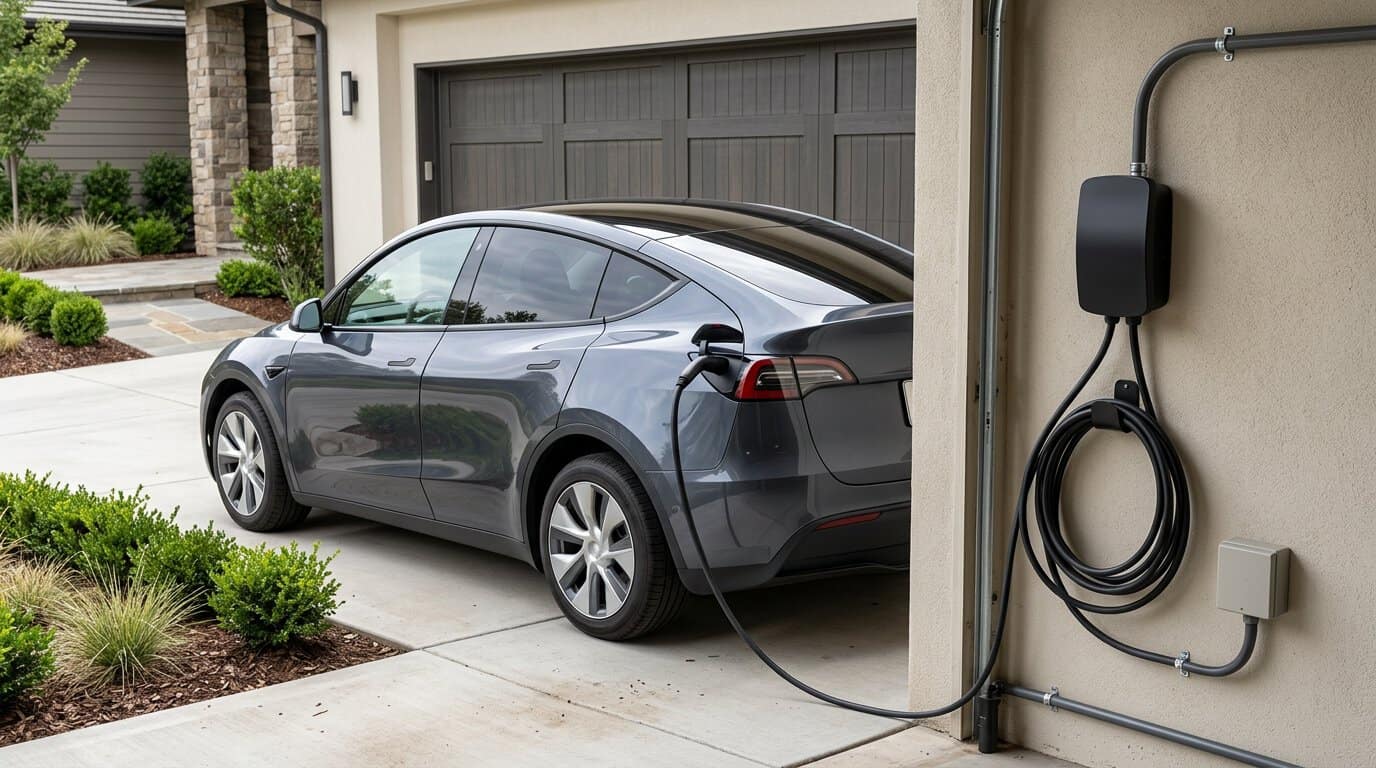
A Level 2 charger is part of your home’s electrical system, so each project needs more than choosing a charging unit. Your electrician should check panel capacity, available breaker space, and whether your service can support the charger along with heating, cooling, appliances, and other loads. The charger also needs its own dedicated 240 volt circuit, with the right wire size and overcurrent protection. Its location matters too, whether you plan to charge inside the garage or install the equipment outside, since distance, weather protection, and cable access can affect the work.
Charging speed should match your vehicle, driving habits, and available electrical capacity rather than simply choosing the highest rated unit. A typical Level 2 charger can add about 10 to 30 miles of range per hour, but your vehicle and circuit determine the actual result. Permits and inspections may be required, and local code rules can affect equipment placement and installation details. Before your project begins, an electrical professional can evaluate your Triangle home’s electrical system and plan the work so your charger is safe, reliable, and ready for everyday use.
Prepare Your Home for EV Charger Installation
A Level 2 EV charger can make daily charging more convenient, but your home’s electrical system should be evaluated before installation. An electrician will check your panel capacity, available breaker space, wiring, and overall load to determine whether your system can support a dedicated 240 volt circuit. They will also help you choose a practical charger location, whether that means mounting it inside your garage or on an exterior wall, with protection from weather and easy access to your vehicle. Charging speed depends on the charger, circuit, and vehicle, so a higher rated unit may not always provide faster charging for every car.
Permits, inspections, and local electrical codes may apply in Triangle communities, and requirements can vary by location and home design. Planning these details early can help prevent overloaded circuits, repeated breaker trips, and costly changes after work begins. If you are ready to plan your installation, an electrical professional can evaluate your system and help you take the next step. You can also learn more through “Why Does My Circuit Breaker Keep Tripping? Common Causes & Professional Solutions” before scheduling your EV charger project.