
Your home should be a sanctuary, but dust, pollen, and pet dander often settle into your living spaces and clog your HVAC system. When your air filters are full of debris, your unit works harder to pull in air. This leads to higher energy bills and more wear on your equipment. Chapel Hill and Durham homeowners often face heavy seasonal allergies. This makes it vital to choose the right filter type for your specific needs. Regular maintenance helps keep your indoor air clean and your cooling system running well.
Modern technology has transformed these once simple components into smart tools that track your air quality in real time. You can now find options ranging from basic pleated filters to high efficiency models that capture microscopic particles. Replacing your filter every few months protects your family from common allergens and prevents costly breakdowns. Taking this small step today helps your system last longer while keeping your home comfortable all year long.
Key Takeaways
Select a filter with a MERV rating between 8 and 11 to achieve the ideal balance between capturing fine allergens and maintaining necessary airflow for system efficiency.
Check your air filters every 30 days and replace them at least every 60 to 90 days to prevent equipment strain, frozen coils, and high energy bills.
Pet owners and allergy sufferers in high-pollen areas like Chapel Hill and Durham should utilize high-quality pleated filters to trap dander and microscopic particles.
Incorporate smart sensor technology to monitor real-time airflow and particle buildup, ensuring filters are replaced based on actual need rather than just just a calendar date.
Understanding MERV Ratings And HVAC Efficiency
Choosing the right air filter often feels like a balancing act between clean air and your monthly power bill. The Minimum Efficiency Reporting Value, or MERV rating, measures how well a filter traps common household particles. A low MERV rating might capture large dust bunnies, but it allows smaller irritants like pollen and pet dander to pass through your vents. While high rated filters provide cleaner air for your family, they also create more resistance for your fan.
If the filter is too thick for your specific system, it can restrict airflow and force your unit to work much harder. This extra strain leads to higher energy bills and might even shorten the life of your equipment. Homeowners in Chapel Hill and Durham often face high pollen counts and humidity that can make indoor air quality a challenge. If you have pets or suffer from seasonal allergies, you might be tempted to buy the highest MERV rating available at the store.
However, a filter that is too restrictive can cause your coils to freeze or your motor to burn out prematurely. We recommend finding a middle ground that captures allergens without choking your system. Most local homes perform best with a MERV 8 to 11 filter. This range provides a great defense against dust and mold spores while keeping your air flowing freely. Maintaining your system requires more than just picking the right rating.
You should check your filter every month, especially during the peak summer and winter seasons in North Carolina. A clogged filter acts like a wall, stopping air from reaching your living spaces and driving up your utility bills. If you see visible dirt or a gray film on the surface, it is time for a replacement. Regular changes prevent debris from building up on your internal components. Clean parts run more efficiently and help you avoid expensive repairs.
Trapping Local Pollen Dust And Pet Dander
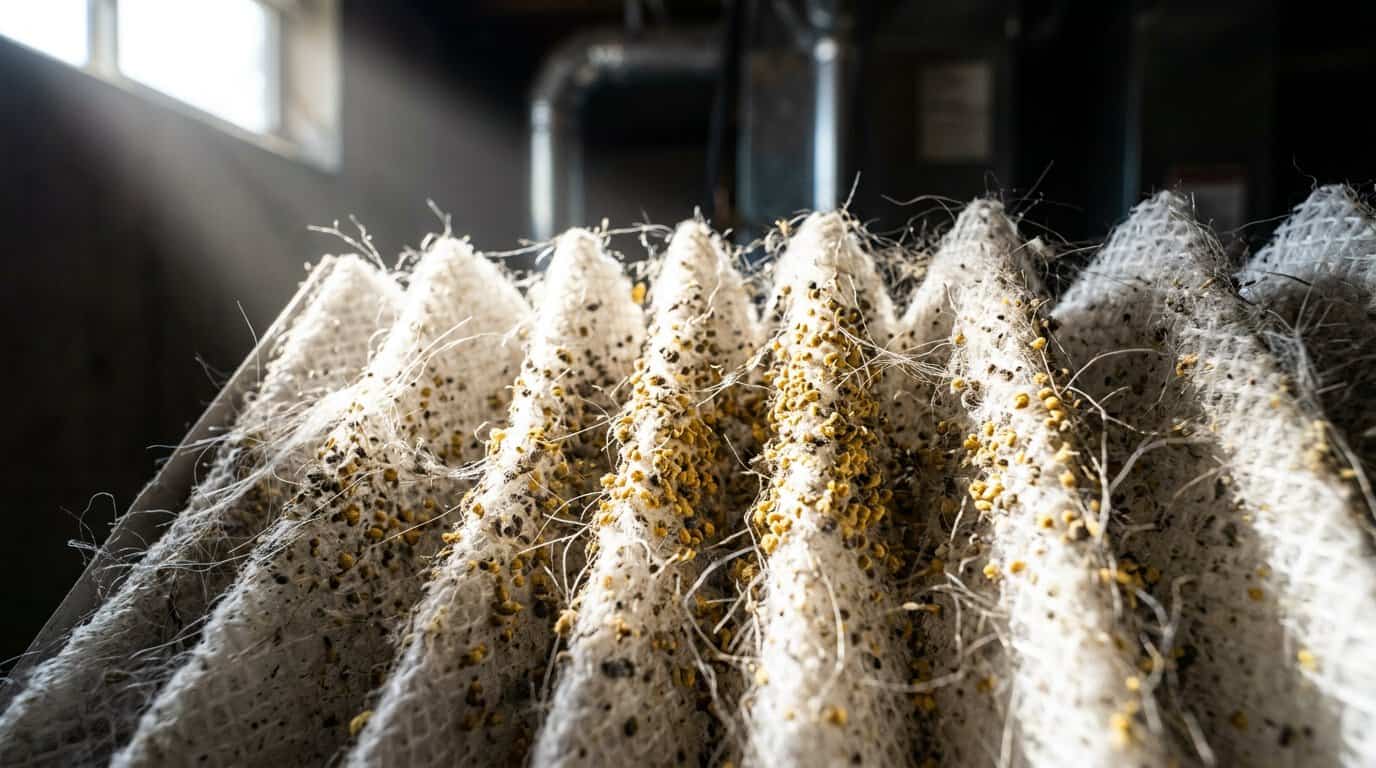
Living in the Chapel Hill and Durham area means dealing with a heavy pollen season that covers everything in a thick layer of yellow dust. Your HVAC system acts as the first line of defense for your family. A standard thin filter often lets those tiny pine pollen particles slip right through. High quality pleated filters are designed to trap these local allergens before they circulate through your rooms.
When you choose a filter with a higher MERV rating, you reduce the dust and dander that settles on your furniture. This simple upgrade helps keep your air clean and reduces the constant sneezing that comes with North Carolina springs. Pets bring a lot of joy to your home, but they also contribute a constant stream of hair and dander to your indoor air. These small particles can clog your system and trigger allergy symptoms for everyone in the house.
You should check your air filter every month if you have dogs or cats, as pet hair builds up much faster than normal dust. Replacing your filter on a regular schedule keeps your HVAC unit running efficiently without straining the motor. A clean, high quality filter protects your mechanical equipment while creating a much healthier environment for your kids and pets to breathe.
Smart Sensors And Pathogen Destruction Technology
You might feel like you are constantly fighting a losing battle against dust, pet dander, and seasonal pollen in your Chapel Hill home. Modern smart filters now take the guesswork out of your maintenance routine by connecting directly to your smartphone. These sensors track actual airflow and particle buildup instead of just relying on a calendar date. You will receive a notification the moment your filter reaches its limit.
This technology prevents the common mistake of waiting too long to swap a dirty filter, which can strain your motor and raise your energy bills. New molecular technology goes beyond just catching hair and dust by actually breaking down harmful pathogens on contact. These filters use specialized layers to deactivate viruses and bacteria, providing a higher level of protection for your family during allergy season. If you suffer from asthma or severe allergies in Durham, this advancement means your air is being cleaned at a microscopic level.
You no longer have to worry about trapped contaminants recirculating through your vents. It is a simple way to maintain high air quality without needing bulky portable units in every room. Choosing the right filter type for your specific system is easier when your equipment can talk to you. Using smart sensor technology to monitor the pressure drop across the media to make sure your high efficiency filter is not restricting too much air.
This balance is vital for protecting your heating and cooling parts from unnecessary wear and tear. By using these updated tools, you can enjoy a cleaner home and a longer lifespan for your HVAC unit. Keeping up with these small changes helps your indoor environment stay fresh and healthy all year long.
Maintenance Timing For Triangle Area Homeowners
Living in the Triangle means your HVAC system faces a constant battle against heavy yellow pine pollen and high humidity. If you live in Chapel Hill or Durham, you know how to improve indoor air quality at home by ensuring local dust and debris do not clog up a standard filter. A dirty filter forces your cooling system to work much harder, which lowers your efficiency and raises your monthly power bills. You should check your filter every thirty days during the peak of the summer heat.
This simple habit protects your equipment from unnecessary wear and keeps your indoor air quality high for your family. Pet owners and allergy sufferers in our area need to be even more diligent with their maintenance schedule. If you have dogs or cats, their fur and dander will fill up a pleated filter much faster than a pet free home. Most homeowners find that a high quality MERV 11 or 13 filter offers the best balance between catching small allergens and maintaining proper airflow.
We recommend replacing these filters at least every sixty days to keep your system running smoothly. Consistent timing prevents frozen coils and expensive repairs when the North Carolina heat is at its worst. Modern smart home sensors can now alert you when your airflow drops, but a manual inspection is still your best defense. Take a quick look at the surface of your filter to see if the material looks grey or heavy with dust.
If you cannot see the filter material through the debris, it is time for a fresh one. Remember that consistent changes are the easiest way to extend the life of your air conditioner. Keeping a clear schedule helps you avoid the stress of a broken system during a July heatwave.
Protect Your Home With Better Air Quality
Choosing the right air filter is one of the simplest ways you can protect your home and your health. These filters act as a shield for your HVAC system by catching dust and pet dander before they can coat sensitive internal parts. When your system stays clean, it runs more efficiently and lasts much longer. You will also notice a big difference in your indoor air quality as the filter traps pollen and other allergens.
Homeowners in Chapel Hill and Durham often deal with high pollen counts, so keeping up with maintenance is vital. We recommend checking your filter every month and replacing it at least every ninety days to keep your air fresh. Our team has helped your neighbors maintain comfortable homes since 1981, and we understand the unique needs of North Carolina houses. Whether you choose a basic pleated filter or a high efficiency model, the goal is to keep your family breathing easy.
A clogged filter restricts airflow and forces your equipment to work harder, which can lead to unexpected breakdowns. We can help you determine the best schedule for your specific needs, especially if you have pets or suffer from seasonal allergies. Understanding how an air quality control system can benefit your home is a great way to ensure your equipment stays in good condition all year long. Learn more about air filtration systems and why you need a New Year’s Resolution for Your HVAC System: Maintenance! and see how regular care saves you money.