
Your home should be the place where you feel most relaxed and safe. When you have a gas furnace, a cozy fireplace, or an attached garage, carbon monoxide detector installation is one of the easiest ways to protect that peace of mind. These small devices act as silent guardians for your family by spotting invisible threats before they become a problem. Since safety standards updated in 2026, it is more important than ever to make sure your sensors are in the right spots.
At Bud Matthews Services, we have helped our neighbors in Chapel Hill and Durham stay comfortable since 1981. We know that home safety is about more than just fixing pipes or wires. It is about making sure every floor and sleeping area has the protection it needs to keep your household healthy. Proper placement near your appliances can make all the difference in how quickly your system alerts you. Keeping your home secure helps you focus on what matters most.
Key Takeaways
- Install carbon monoxide detectors on every level of the home, in hallways outside sleeping areas, and inside individual bedrooms to ensure alarms are heard during the night.
- Position detectors 10 to 15 feet away from fuel-burning appliances like furnaces and fireplaces to prevent false alarms while maintaining accurate detection.
- Place a detector inside the living space within 10 feet of an attached garage door to catch vehicle exhaust fumes before they spread through the home.
- Hardwire detectors into the home’s electrical system with battery backups to ensure continuous protection during power outages and eliminate the need for constant battery checks.
Strategic Placement Near Sleeping Areas and Fuel Sources
The best way to protect your family is to place detectors on every level of your home. You should start by installing an alarm in the hallway right outside of every sleeping area. This placement helps the siren wake you up if an emergency happens while you are asleep. For the most peace of mind, our team suggests putting a unit inside each individual bedroom as well. This extra step helps everyone rest easier knowing they are covered. We want your home in Chapel Hill to be a safe place for your children and guests.
Proper spacing near your home appliances is just as important for accuracy. You should keep your detectors about ten to fifteen feet away from your furnace or fireplace. Placing them too close to a fuel source can lead to false alarms from small, normal amounts of gas. Our technicians see this often during routine HVAC checks in Durham and Hillsborough. We can help you find that perfect middle ground for each sensor. This balance makes sure the system stays reliable without causing unnecessary worry for your household.
Your basement and garage areas also need special attention during the setup process. Carbon monoxide can build up near water heaters or where you park your car. Make sure a detector is active on every habitable floor to catch issues early. We have helped our neighbors across Orange and Chatham Counties with these safety steps since 1981. A quick professional check of your electrical and gas systems can make a big difference. Keeping your home systems in good shape keeps your family comfortable and secure all year long.
Mounting Requirements for Attached Garages and Living Spaces
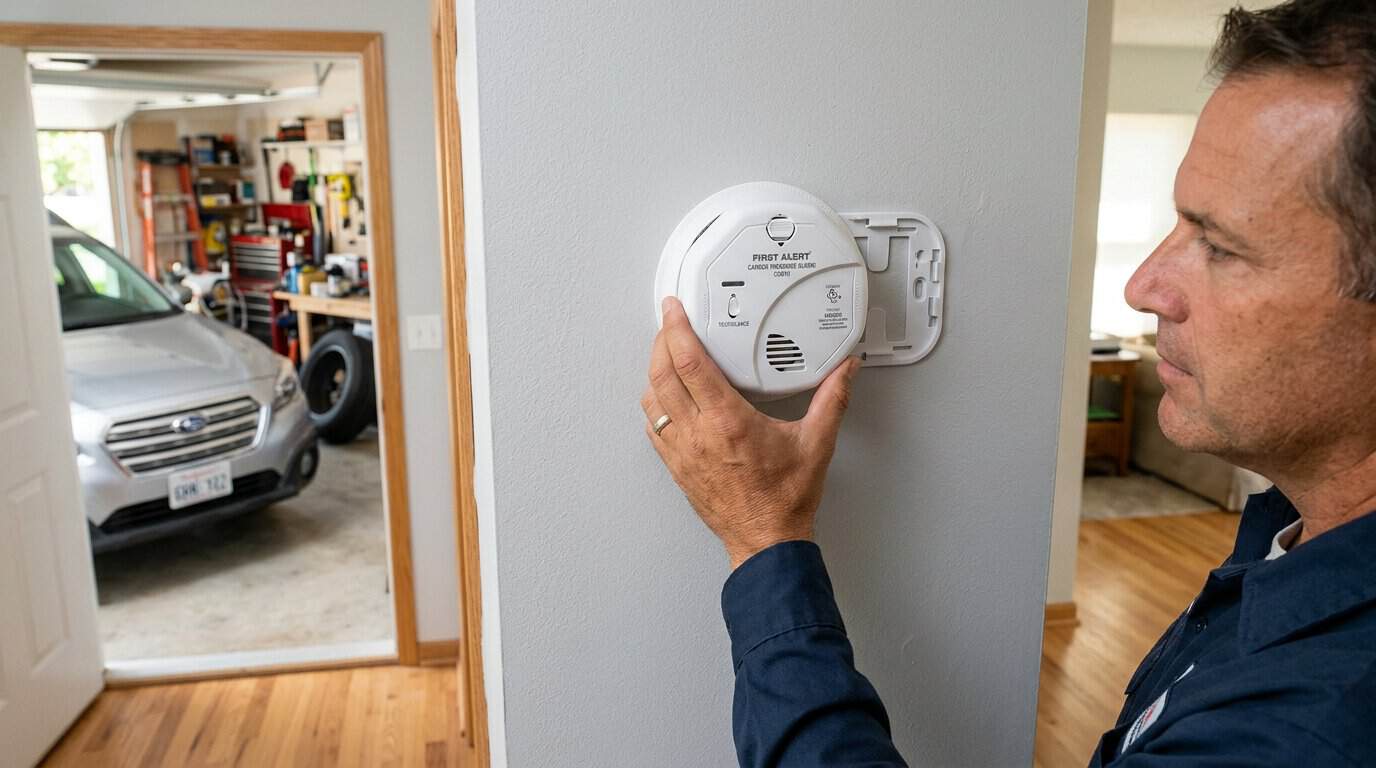
When you have an attached garage, your home needs an extra layer of protection from vehicle exhaust. Carbon monoxide can easily seep through the door or shared walls as your car warms up or pulls into the bay. You should place a detector on the wall inside your living space within ten feet of the door leading to the garage. This location helps catch any drifting fumes before they spread deeper into your home. Our team recommends this specific placement to give you the fastest warning possible. It keeps your family safe while you go about your daily routine.
Proper spacing is more important than how high you mount the device on your wall. While some people think these sensors must be near the floor or ceiling, carbon monoxide actually mixes evenly with the air. The main goal is to keep the unit far enough away from the garage door to avoid false alarms from tiny, normal amounts of exhaust. Placing it too close can cause the alarm to chirp every time you open the door to leave for work. We suggest a distance of at least five to seven feet from the entryway. This balance helps the sensor stay reliable without being oversensitive to minor movements of air.
A professional installation gives you peace of mind that your sensors are in the right spots. At Bud Matthews Services, we want to make sure your home feels like a true sanctuary for you and your kids. We check your hallways and common areas to see where the air flows most naturally. Our technicians have helped neighbors in Chapel Hill and Durham stay safe for over forty years. We take the time to test every unit and show you how to maintain them. You can rest easy knowing your safety system is ready to protect your household.
Professional Integration With Home Heating and Electrical Systems
Professional installation connects your carbon monoxide detectors directly to your home electrical system. Our team at Bud Matthews Services hardwires these units so they stay active without you needing to check battery levels constantly. We also include a reliable battery backup in every unit we install. This setup keeps your family safe even if a storm knocks out the power in Chapel Hill. You can rest easy knowing your sensors are always watching for invisible threats. We handle the wiring carefully to make sure everything meets local building codes.
Our technicians understand how your furnace and water heater work with your home air flow. We place detectors in the best spots to catch problems early without causing false alarms. Connecting these safety tools to your existing home comfort system creates a unified layer of protection. We check the connection between your appliances and your new sensors during the final walkthrough. This process helps us catch venting issues, such as a cracked heat exchanger, before they become a danger to your household. You get peace of mind knowing your electrical and heating systems work together.
We take pride in helping our neighbors across Durham and Orange Counties stay comfortable and secure. Our family owned team treats your home with the same care we use in our own houses. We explain how the new sensors communicate with each other throughout your living spaces. If one alarm goes off, the others signal as well to give you plenty of warning. This integrated approach is much more effective than using simple plug in units alone. We make sure your safety setup is robust and ready for years of service.
Protect Your Home With Proper Placement
Keeping your home safe starts with placing your detectors on every level and near every sleeping area. You should also make sure they stay ten to fifteen feet away from your furnace or fireplace to avoid false alarms. Testing these devices once a month is a simple way to keep your family protected. Since 1981, our team has helped neighbors in Chapel Hill and Durham stay comfortable and secure. We want you to feel confident that your safety systems are working exactly as they should.
Proper placement is only one part of maintaining a healthy and efficient home environment. Your fuel burning appliances need regular checkups to prevent problems before they start. Our HVAC Maintenance Agreement Is What Your Heater Needs This Fall to ensure your system is operating safely and efficiently. Our technicians are always ready to help you look over your systems and answer any questions you have. We take pride in being a local family business that treats your house like our own. You can rely on us for clear advice and steady service throughout the year.
If you have concerns about your home safety or power needs, our team is here to help. You can learn more about Why Does My Circuit Breaker Keep Tripping? Common Causes & Professional Solutions to see how your electrical system impacts your safety. We work across Orange, Durham, and Chatham Counties to keep your household running smoothly. Discover how we can help you stay on top of your home maintenance today. Give us a call to talk about your next project or safety upgrade.
Frequently Asked Questions
1. Where is the best place to put my carbon monoxide detectors?
You should install a detector on every level of your home and in the hallway outside each sleeping area. We also recommend putting a unit inside every bedroom for extra safety. This helps make sure the alarm wakes everyone up if there is an emergency while you sleep.
2. How far should I keep the sensor from my furnace or fireplace?
It is best to place your detectors about ten to fifteen feet away from fuel burning appliances. Putting them too close can cause false alarms from small amounts of gas that happen during normal operation. Our team can help you find the right spot to keep your sensors accurate.
3. Why did the safety standards change in 2026?
Updated safety standards help make sure every home has the best possible protection against invisible threats. These new rules focus on placing sensors in the most effective spots to save lives. We stay up to date on these changes to keep your family safe in Chapel Hill and Durham.
4. Do I really need a detector if I have a newer home?
Yes, any home with a gas furnace, fireplace, or attached garage needs these devices. Even new appliances can develop problems that lead to carbon monoxide leaks. These small alarms act as silent guardians for your peace of mind.
5. How often should I have my detectors checked?
We recommend checking your sensors during your routine HVAC or plumbing visits. Our technicians see many common placement errors during our regular rounds in Hillsborough and Pittsboro. Keeping them in good shape helps you focus on what matters most to your family.
6. Can Bud Matthews Services help me install these sensors?
Our team has helped neighbors across Orange and Durham Counties stay safe since 1981. We know how to properly space your alarms near fuel sources and sleeping areas. Hardwiring these devices is one of those electrical projects that requires professional expertise to ensure they function correctly during an emergency. We want your home to be the place where you feel most relaxed and secure.